
Sport photography Adelaide is about capturing the intensity and passion of local athletes and events. Whether you’re shooting at one of Adelaide’s premier stadiums or a local sports ground, the city offers endless opportunities for photographers of all skill levels. In this guide, we’ll cover the essentials of sports photography, from the gear you’ll need to the best Adelaide locations. We’ll also share tips for capturing action-packed shots, working with athletes, and post-processing to make your photos stand out.
Key Takeaways:
- Learn the basics of sport photography, including essential equipment and camera settings.
- Discover the top locations in Adelaide for sports photography, from iconic venues to lesser-known spots.
- Master techniques for capturing dynamic action shots, using the right shutter speed, and framing your images.
- Explore tips for building rapport with athletes and teams to capture natural and compelling photos.
- Get post-processing advice to enhance your sports photos and create a professional portfolio.
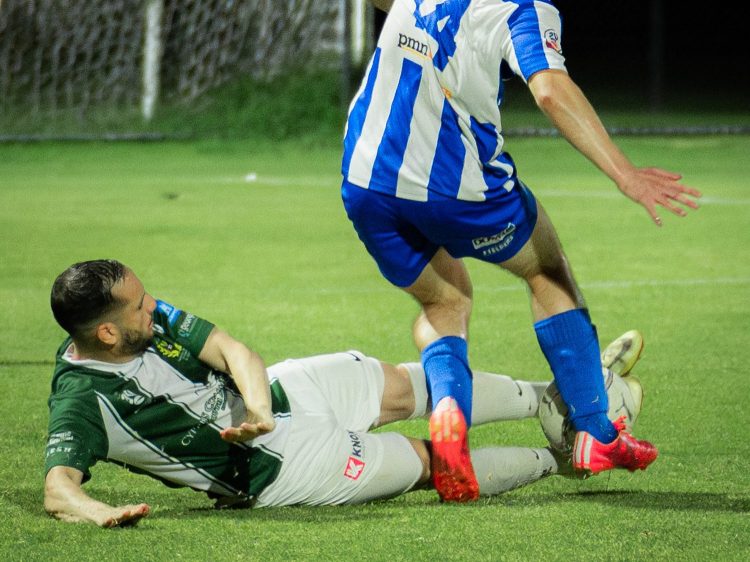
Understanding the Basics of Sport Photography
Essential Equipment for Beginners Before you dive into the exciting world of sports photography in Adelaide, it’s crucial to have the right tools. While professional photographers may have extensive gear, beginners can start with the essentials:
- Camera: A DSLR or mirrorless camera with manual settings will give you the control needed for sports photography.
- Lens: A telephoto lens, typically between 70-200mm, is perfect for capturing action from a distance. For more versatility, consider a 400-600mm lens for larger venues like Adelaide Oval.
- Tripod: A sturdy tripod or monopod is useful, especially when shooting in low-light conditions or for stabilizing long shots.
Mastering Camera Settings Understanding your camera’s settings is key to capturing great sports moments. Focus on the following:
- Shutter Speed: A fast shutter speed (1/500s or higher) will freeze the action, crucial for sports like AFL or cricket.
- Aperture: Use a low f-stop (e.g., f/2.8) to blur the background and isolate your subject.
- ISO: Adjust your ISO based on lighting conditions. A higher ISO may be necessary for indoor venues like Adelaide Entertainment Centre.
Importance of Composition Capturing Adelaide’s sports moments involves more than just technical settings—it requires a creative approach to composition:
- Rule of Thirds: Use this principle to create balanced and visually appealing shots.
- Leading Lines: Utilize field lines or stadium architecture to draw attention to the athletes.
- Anticipation: Predicting action is a skill that develops over time, helping you capture those critical moments.
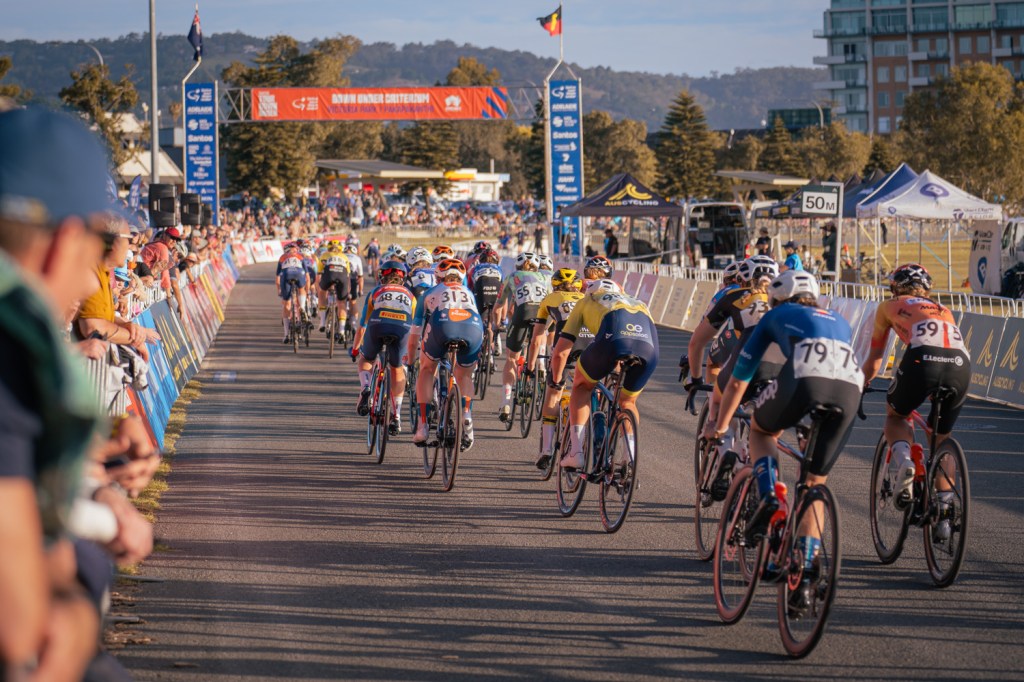
Top Locations for Sport Photography in Adelaide
Adelaide has a rich sporting culture, offering numerous locations for photographers to capture thrilling action shots. Here are some prime spots to consider:
- Adelaide Oval: Iconic for cricket and AFL, this stadium offers fantastic opportunities for both action shots and crowd photography.
- Coopers Stadium: A top venue for soccer and rugby enthusiasts, this location provides ample chances for high-energy sports photos.
- Glenelg Beach: If you’re into beach sports or outdoor fitness, this is the perfect spot to capture athletes in action with a scenic backdrop.
- Victoria Park: Known for cycling and motorsport events, it’s great for fast-paced, dynamic shots.
Techniques for Capturing Dynamic Action Shots
Capturing the energy of Adelaide’s sports scene requires a blend of technical skill and creativity. Below are some key techniques to elevate your action shots.
Using Shutter Speed Effectively To freeze fast-moving athletes—whether it’s during a Port Adelaide AFL match or a state-level netball game—keep your shutter speed at 1/1000 or higher. For sports like motorsports or cycling at Victoria Park, consider experimenting with slower shutter speeds to create a sense of motion by panning with the subject.
Framing and Composition Tips Incorporate the rule of thirds to create balanced and engaging images. Use leading lines from sports fields, courts, or even the architecture of venues like Coopers Stadium to guide the viewer’s eye to the athletes. Vary your angles by shooting from low or high perspectives for more dynamic compositions.
Anticipating the Action Watching and understanding the sport you’re photographing helps you predict where the action will unfold. This skill is crucial when shooting fast-paced games like basketball at Titanium Security Arena or catching those peak moments during Adelaide Strikers’ Big Bash League games.
Working with Athletes and Teams
Building Rapport with Subjects Gaining the trust of athletes will make them more relaxed and help you capture authentic moments. Before shooting, introduce yourself, explain your process, and create a positive, respectful atmosphere. Whether you’re working with a local football team or professional cyclists, building rapport will improve your images.
Capturing Team Portraits Adelaide’s local sports teams are full of character. For team portraits, arrange players to showcase their unity and spirit. Try using natural light outdoors or find a neutral background for a clean, focused shot.
Documenting Live Events Sports events in Adelaide are packed with emotion and action. Be ready to capture key moments, whether it’s the elation of a winning goal or the intensity of a close rugby match. Focus on the energy and emotions, and don’t forget to include crowd reactions for a complete visual story.
Post-Processing Tips for Sport Photography
Editing for Impact Post-processing can turn a good shot into a great one. Use editing software like Adobe Lightroom to fine-tune your images. Adjust basic settings like exposure and contrast, and experiment with colour correction to make your photos pop, especially in action-packed environments like Adelaide’s outdoor arenas.
Colour Correction and Enhancement In post-processing, pay attention to team colours and skin tones. Proper colour correction will make the athletes and their uniforms stand out, especially in Adelaide’s sunny outdoor conditions or under the bright lights of indoor venues.
Creating a Cohesive Portfolio A well-curated portfolio can help you stand out in Adelaide’s competitive sports photography scene. Aim for consistency in your editing style and composition, showcasing your ability to capture a wide range of sports and events.
Showcasing Your Work
Building an Online Portfolio Create an online portfolio to display your best work. Use platforms like Adobe Portfolio or Instagram to share your sports photography. Make sure to organize your photos by sport or event for easy navigation, especially if you want to attract clients from Adelaide’s sports community.
Utilising Social Media Adelaide’s sports culture is vibrant, and social media is an excellent way to tap into this community. Share your work on Instagram, Facebook, and Twitter, using relevant hashtags like #SportPhotographyAdelaide or #AdelaideSportsPhotographer to reach your target audience.
Networking with Local Sports Communities Adelaide has a strong sense of community, particularly in its sports circles. Attend local games, connect with athletes, coaches, and fans, and join online forums to build relationships and gain new photography opportunities.
Conclusion
Sport photography in Adelaide is a rewarding and exciting pursuit. With the city’s rich sports culture, from AFL at Adelaide Oval to local soccer matches, there’s no shortage of opportunities to capture unforgettable moments. Practice, patience, and passion are your best tools. So grab your camera, head out to Adelaide’s sports venues, and start shooting!
Frequently Asked Questions
What type of camera is best for sports photography? A DSLR or mirrorless camera with manual settings is ideal for sports photography. These cameras provide greater control and flexibility.
Which lens should I use for sports photography? A telephoto lens between 70-200mm is great for most sports. For larger venues like Adelaide Oval, a lens up to 400-600mm is recommended.
How do I freeze action in sports photos? Use a fast shutter speed (1/500s or higher) to freeze the action and capture sharp images of fast-moving subjects.
What should I do if the lighting is poor? Increase your ISO setting to make the camera more sensitive to light, or use a lens with a wide aperture to allow more light in.
How do I build rapport with athletes for better photos? Introduce yourself, be friendly, and show interest in their sport. Building trust helps athletes feel comfortable and results in more authentic photos.
 Baller Studio: The Home of Sport Photography Adelaide